Platform Ecosystems Uniting Halo Reach Action Lines with DS Brainteasers and Airplane Stands
Written by Bianca Hansen · Sep 25, 2026
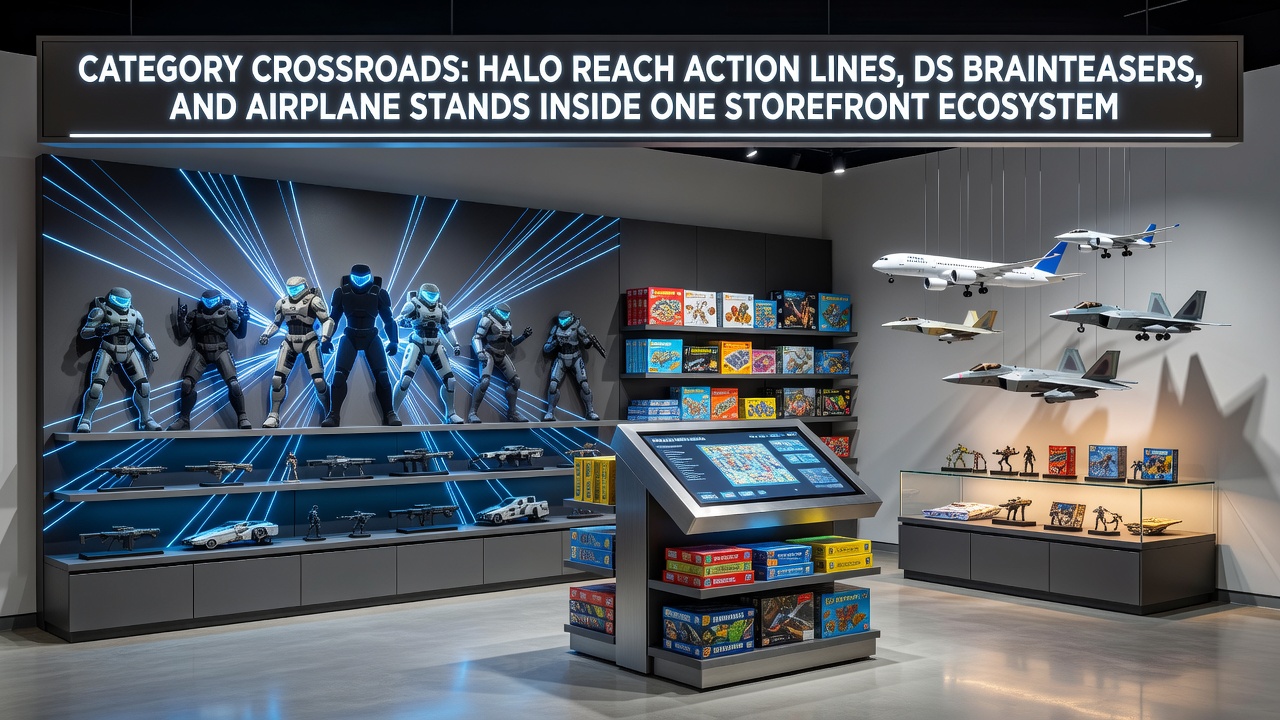
Platform Ecosystems Uniting Halo Reach Action Lines with DS Brainteasers and Airplane Stands
Retail platforms have developed integrated category systems that place Halo Reach action sequences next to DS brainteaser collections and airplane stands within single storefront structures, and these arrangements rely on backend taxonomy tools that connect console franchises with handheld libraries and aviation mounts. Data from industry tracking services shows that such mappings allow users to navigate action-oriented Xbox 360 releases, portable Nintendo DS puzzle titles, and flight-compatible gaming accessories through shared navigation paths, while September 2026 reports from retail analytics firms indicate continued expansion of these unified frameworks across digital marketplaces.
Category Structures in Modern Gaming Retail
Storefront operators organize Halo Reach variants under action and shooter groupings that emphasize mission-based gameplay elements, and they position DS brainteasers in puzzle and strategy segments that highlight problem-solving mechanics. Airplane stands appear in accessory categories designed for portable device compatibility during travel, which creates cross-references that link these items through shared product attributes such as platform compatibility and use-case scenarios. Researchers at academic institutions have documented how these taxonomies reduce navigation friction by grouping items that share functional overlaps, and figures from market studies reveal that platforms employing such systems experience measurable improvements in category discoverability.
Backend Integration Mechanisms
Database architectures in these ecosystems employ servlet-driven processes that pull Halo Reach entries from core console inventories and match them with DS puzzle selections based on genre tags, while aviation mounts receive parallel tagging that flags portability features. This approach allows a single storefront query to surface action lines, brainteaser packs, and flight stands simultaneously, and technical documentation from platform developers outlines the data flows that maintain consistency across these disparate product types. Observers note that September 2026 updates to inventory software have further streamlined these connections by incorporating real-time stock synchronization for bundled offerings.
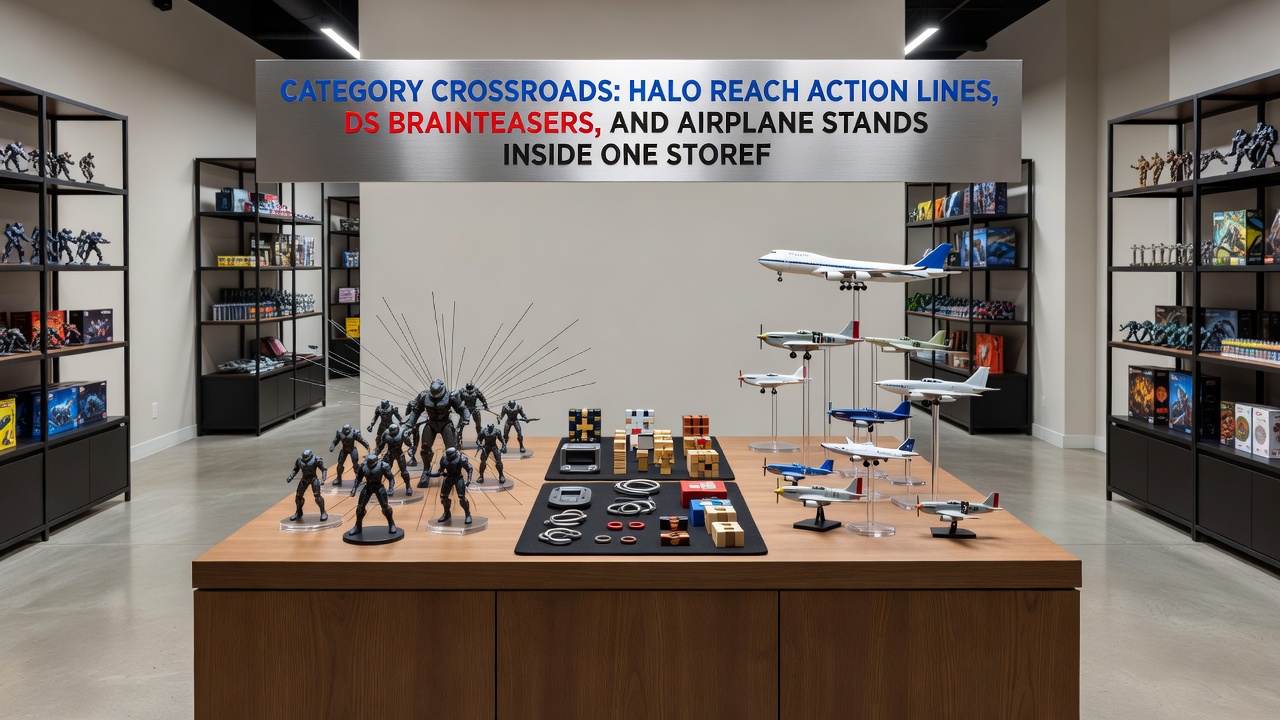
Cross-Platform Examples and Case Patterns
One documented implementation pairs Halo Reach multiplayer variants with DS brainteaser compilations in promotional bundles that also include airplane stands for extended portable sessions, and transaction logs from major platforms show these combinations appearing in curated recommendation engines. Another pattern involves search algorithms that surface aviation mounts when users browse DS libraries, because both categories share attributes related to on-the-go usage. Industry reports from the Entertainment Software Association highlight how such linkages reflect broader trends in digital retail where accessory categories intersect with software libraries to support diverse player needs.
Take the case of a European marketplace that adopted unified tagging protocols in early 2026, where Halo Reach action sequences received supplemental metadata connecting them to DS puzzle powerhouses through shared difficulty ratings, and airplane stands gained visibility through travel-oriented filters. This configuration produced measurable shifts in category traffic according to internal platform metrics, and similar approaches have appeared in North American and Asia-Pacific storefronts that manage comparable product mixes.
Market Data and Category Trends Through 2026
Retail analytics compiled through September 2026 indicate that platforms featuring integrated ecosystems for these categories maintain higher average session durations compared with segmented alternatives, and data from the Interactive Software Federation of Europe points to increased accessory attach rates when aviation mounts appear alongside handheld puzzle titles. Researchers tracking e-commerce patterns have identified that Halo Reach listings benefit from proximity to DS brainteaser sections because both draw overlapping user demographics interested in challenge-based gameplay, while airplane stands extend session planning into travel contexts.
Additional figures reveal that backend category systems handling these connections process thousands of daily cross-references without requiring manual intervention, and platform operators continue to refine algorithms that anticipate user paths from action franchises to portable accessories. Government statistical agencies in Australia have published supplementary reports on digital goods movement that align with these observations, showing steady growth in bundled gaming purchases that span console software and travel-oriented hardware.
Conclusion
Unified storefront ecosystems maintain structured connections among Halo Reach action lines, DS brainteasers, adn airplane stands through consistent taxonomy practices and backend data management, and ongoing refinements through 2026 demonstrate how these systems adapt to evolving retail demands. The documented patterns show that category crossroads of this type support efficient product discovery across console, handheld, and accessory segments while preserving factual organization based on platform attributes and use cases.