Platform Developments Reshaping Video Game Distribution Networks
Written by Vera Franke · Nov 6, 2026
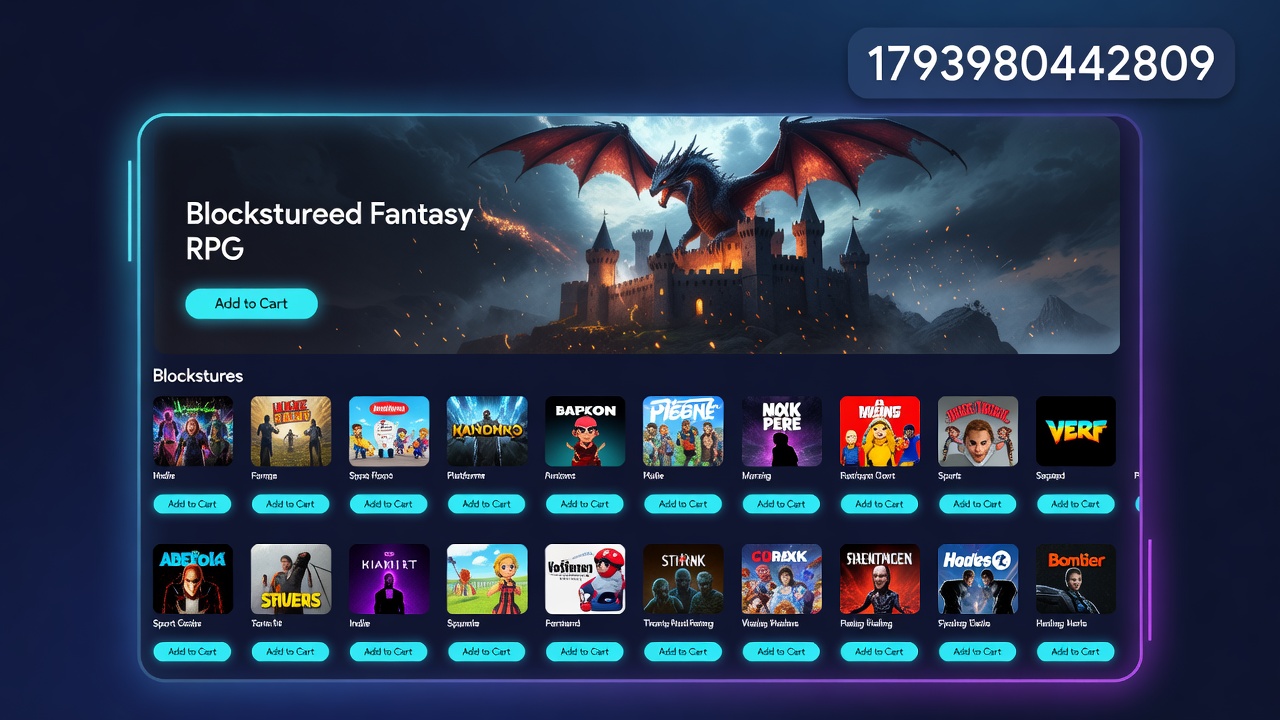
Platform Developments Reshaping Video Game Distribution Networks
Digital storefronts for video games have expanded their organizational frameworks in recent years, with backend systems coordinating product listings across multiple console generations and portable formats. These platforms maintain structured databases that group titles by genre, hardware compatibility, and release timelines, allowing users to browse collections efficiently while retailers track inventory through integrated logistics tools.
Category Structures in Contemporary Marketplaces
Retail sites segment offerings into dedicated sections for action franchises, social party collections, puzzle-based handheld experiences, and accessory bundles that pair with aviation-themed mounts or travel stands. Observers note that such taxonomy shifts help connect high-profile console releases with niche portable selections, creating pathways that guide consumers from flagship products toward complementary items. Research from industry groups shows these mappings rely on servlet efficiencies that update category views in real time, reducing delays during peak browsing periods.
Backend Processes Supporting Order Fulfillment
Modern e-commerce systems employ streamlined services to link variant editions of popular titles with handheld libraries and specialized mounts. Data flows originate from console hits, pass through portable puzzler inventories, and reach cockpit companion accessories within unified retail data frameworks. According to reports by the Entertainment Software Association, these integrations support faster order processing as consumer demand rises across regions. Platforms achieve this by maintaining cross-platform taxonomy that aligns franchise action titles with aviation mounts, ensuring availability matches seasonal fluctuations.
Consumer Patterns During Late 2026
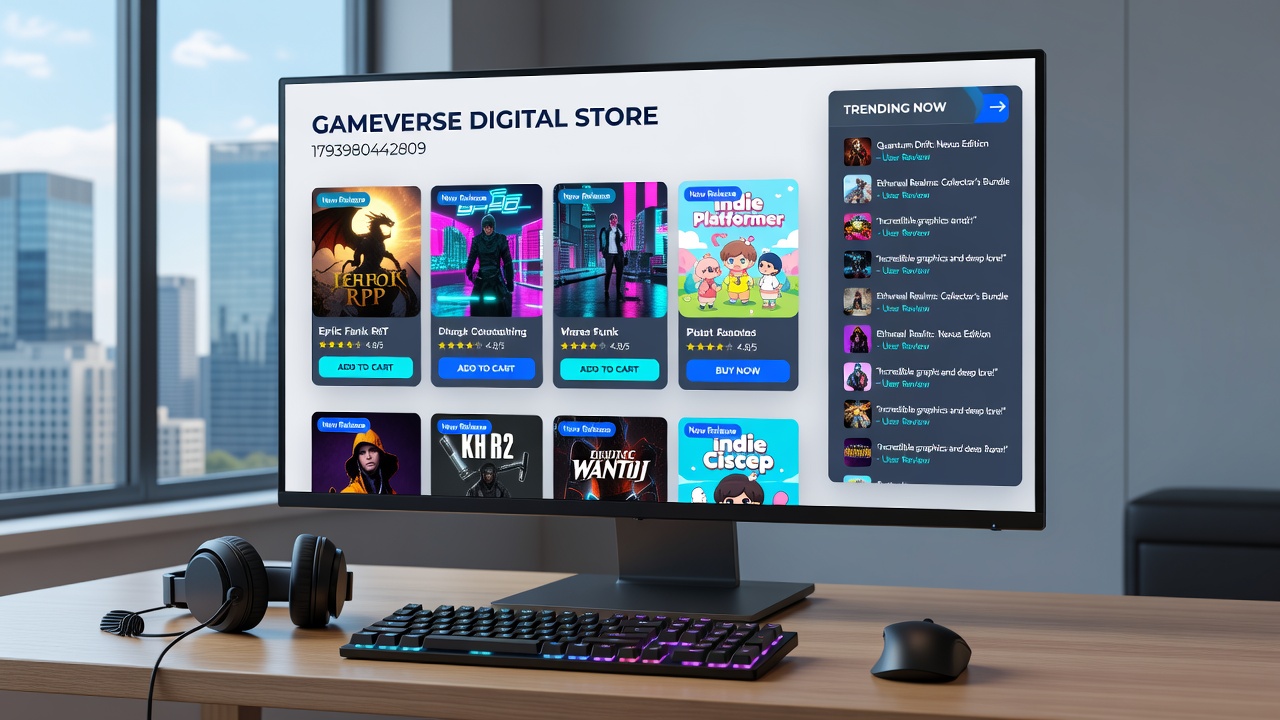
As November 2026 approaches, activity on these sites typically increases around holiday promotions that bundle core console games with portable accessories. Figures reveal that users explore curated packages connecting established action legacies on major consoles with social surge titles on family-oriented systems and puzzle powerhouses on handhelds. Those who monitor retail channels find that specialized pathways reduce friction between discovery and purchase, particularly when aviation mounts appear alongside DS selections in recommended displays. Studies from academic sources indicate this organization stems from category mapping mechanics that pull from console franchises, handheld libraries, and travel-oriented items through coordinated backend processes.
What's interesting is how servlet-based updates unify Halo Reach variants or similar action releases with Nintendo console libraries and aviation mounts, presenting them in consistent structures that adapt to user location and device preferences. People who've examined these systems discover that rapid retail relays depend on stealthy speed mechanisms which prioritize wii party games alongside ds flight companions without disrupting overall site navigation.
Industry Data and Geographic Variations
Evidence from multiple regions demonstrates differing adoption rates of these digital tools. In North America, platforms emphasize bundled adventure sets that pair major releases with accessory packs, whereas European and Asian marketplaces often highlight cross-platform taxonomy shifts that prioritize handheld collections first. A report prepared by the Entertainment Software Association of Canada highlights how data frameworks track these variations, linking franchise action titles to portable selections and aviation mounts in ways that reflect local purchasing habits. Retailers adjust category systems accordingly, allowing backend category structures to connect xbox 360 titles, nintendo ds libraries, and aviation accessories without manual intervention.
Conclusion
Digital gaming marketplaces continue to refine their organizational methods, relying on integrated processes that connect diverse product types through efficient services. As 2026 progresses, these developments support broader access while maintaining clear structures that help consumers locate both mainstream releases and specialized accessories across global storefronts.