Marketplaces for Interactive Entertainment: Trends in Online Distribution Channels
Written by Vera Franke · Oct 23, 2026
Marketplaces for Interactive Entertainment: Trends in Online Distribution Channels
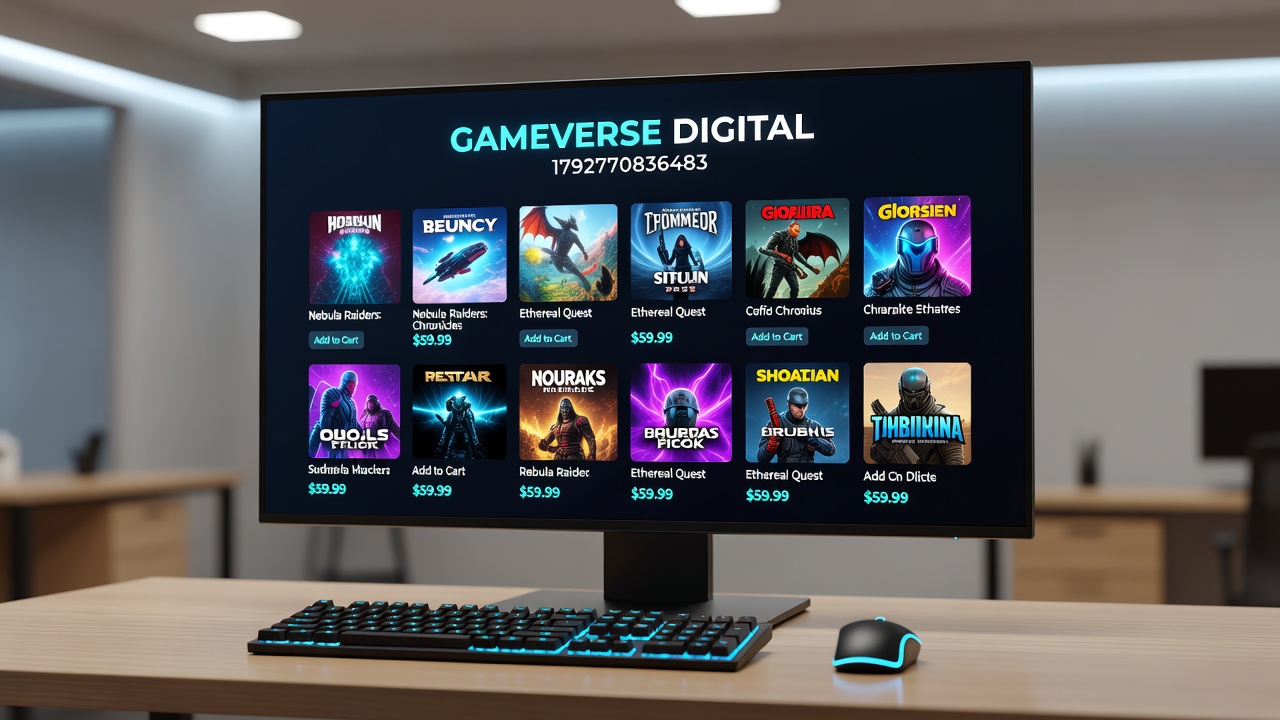
Digital platforms that sell video games have expanded significantly since the early days of basic websites, with data from industry reports showing steady growth in transaction volumes through 2026, and observers note that these systems now handle everything from new releases to legacy titles in organized databases that users access via search tools and recommendation engines. Research indicates that many of these platforms integrate backend category structures which group products by console type, genre, and hardware compatibility, allowing efficient browsing without the need for physical shelf space, while figures from the Entertainment Software Association reveal that online channels accounted for a substantial share of total game sales in recent years.
Category Organization and User Navigation
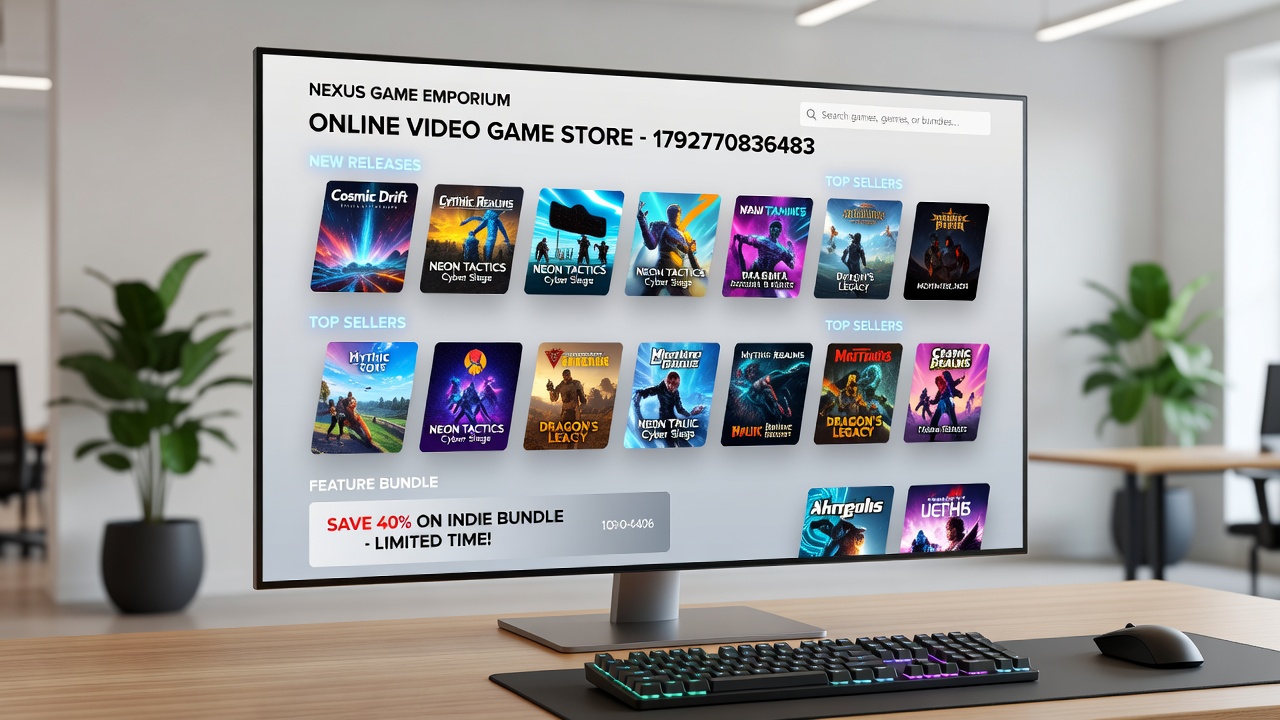
Those who study retail data flows point out that modern online video game stores rely on taxonomy systems which connect related items across different formats, such as console exclusives, handheld collections, and accessory bundles, and this approach helps surface content that matches user preferences based on past purchases or browsing history. Data shows that platforms often update these mappings in real time to reflect new arrivals or seasonal promotions, and people who manage such sites report that clear labeling reduces cart abandonment rates by guiding customers through logical progressions from broad genres to specific editions.
What's interesting is how these structures incorporate filters for price, rating, and availability, which in turn support higher conversion rates according to studies on e-commerce behavior, while backend processes ensure that inventory levels sync across multiple warehouses to prevent overselling during peak periods like holiday seasons.
Backend Logistics and Order Processing
Experts have observed that efficient order fulfillment in these environments depends on integrated software layers which connect front-end displays to warehouse management tools, and this setup enables rapid confirmation emails followed by tracking updates that keep buyers informed from purchase through delivery. Research from academic sources on digital supply chains indicates that such automation cuts down on manual errors, particularly when handling high volumes of mixed orders that combine physical discs with downloadable codes, and in October 2026 platforms continue to refine these pathways amid rising demand for cross-region shipping options.
One study revealed that retailers who streamline their category linkages between different product lines see measurable improvements in search accuracy, whereas those with fragmented systems encounter higher return rates due to mismatched recommendations, and this pattern holds across various regions including North America and parts of Europe where regulatory frameworks encourage transparent pricing displays.
Market Data and Platform Comparisons
Figures from government statistical agencies, such as those compiled by Statistics Canada on consumer electronics spending, highlight that online gaming purchases have grown alongside broader e-commerce adoption, with many users favoring sites that offer bundled deals or subscription models for ongoing access. Observers note that smaller specialized stores often differentiate themselves through curated selections or faster regional delivery, while larger operations leverage scale to negotiate better supplier terms and maintain wider inventories that appeal to collectors seeking out rare variants.
Turns out that integration with payment processors and fraud detection systems plays a key role in maintaining trust, and data indicates that platforms investing in these features experience fewer chargebacks compared to those relying on basic checkout flows, yet the overall sector benefits from industry-wide standards that promote secure transactions across borders.
Future Shifts in Retail Technology
Analysts tracking developments into late 2026 point to increased use of machine learning for personalized storefront views, which adjust displayed items based on real-time user signals without requiring manual input, and this evolution builds on existing category frameworks to create more dynamic experiences. External reports from research institutions like those associated with the University of Southern California’s Annenberg School document how such tools influence discovery patterns, particularly when they connect users with content from emerging genres or international releases that might otherwise stay buried in large catalogs.
But here's the thing: compatibility with older hardware remains a consideration for many buyers, and stores that maintain detailed compatibility databases help reduce support queries while encouraging repeat visits through reliable product information.
Conclusion
The landscape of online video game distribution continues to evolve through refined organizational methods and logistical integrations that support diverse user needs, with evidence from multiple sources showing sustained activity in both established and emerging markets as of October 2026, and those following these trends expect further refinements in how categories and backend systems interact to deliver seamless access.