Advanced Retail Ecosystems for Video Game Distribution in November 2026
Written by Bianca Hansen · Nov 20, 2026

Advanced Retail Ecosystems for Video Game Distribution in November 2026
Retail platforms that specialize in video games have expanded their technical foundations over recent years, and data from industry reports shows these systems now manage inventory across multiple device types while supporting faster checkout processes. Observers note that by November 2026 the integration of backend databases with front-end displays allows users to locate titles through refined search filters, and this setup reduces the time required to complete purchases compared with earlier single-server models.
Data Organization Methods in Gaming Marketplaces
Retail operators employ structured taxonomies that group products by platform, release date, and genre, while researchers at academic institutions have documented how these frameworks improve discoverability for buyers seeking both new releases and legacy content. According to figures from the Entertainment Software Association, digital storefronts processed increasing volumes of transactions through 2025 and into 2026, with category mappings that link console software to accessory bundles becoming more common. Those who study e-commerce patterns observe that such mappings rely on relational databases capable of updating stock levels in real time, and this capability proves essential during peak periods such as holiday seasons.
Regional Variations in Platform Performance
Platforms operating in North America often prioritize high-bandwidth connections that support large file downloads, whereas European operators focus on compliance with data protection regulations that shape how customer information is stored. A study conducted by scholars at a Canadian university found that localized servers in different time zones can cut latency for users accessing game libraries, and similar approaches appear in Australian marketplaces where seasonal demand shifts influence inventory allocation. These adjustments occur without altering the core user interface, allowing consistent navigation across regions.
Security Protocols and Transaction Handling
Modern systems incorporate multi-factor authentication and encrypted payment gateways, and government agencies in several countries have issued guidelines that encourage these measures to protect consumer data. Evidence from trade association reports indicates that fraud detection algorithms now analyze purchase patterns across thousands of daily orders, flagging anomalies before they reach completion. Platforms that adopt these protocols report fewer chargebacks, which in turn supports smoother operations for both sellers and buyers.
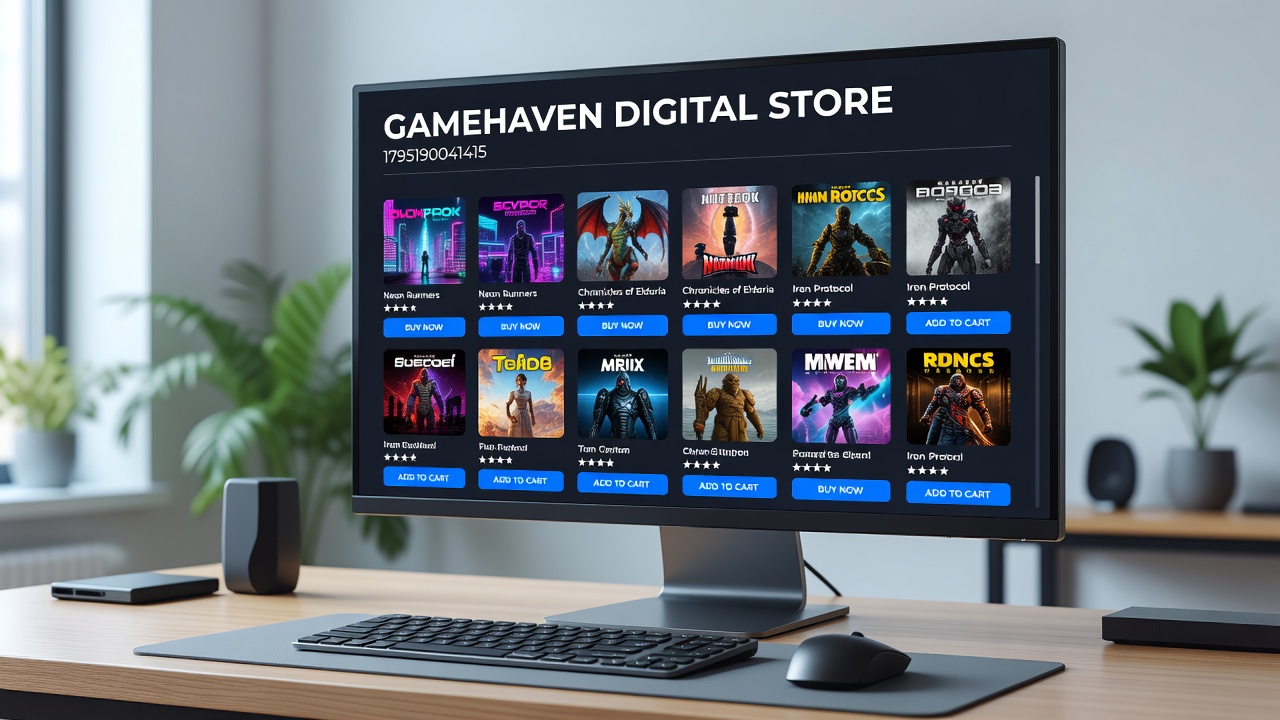
Payment processing has evolved to accept a wider range of methods, including regional digital wallets and subscription credits, while maintaining compatibility with traditional credit cards. Industry analysts point out that this flexibility accommodates users in markets where banking infrastructure differs from that found in the United States or Western Europe. The result is broader participation in online game purchases across diverse economic settings.
Inventory Synchronization Across Multiple Channels
Retailers maintain synchronized records that reflect stock availability on both web portals and mobile applications, and this synchronization prevents overselling when demand spikes for popular items. Data compiled by research firms shows that automated restocking alerts tied to supplier feeds help keep popular categories filled, and those who manage these systems note that predictive analytics can anticipate shortages weeks in advance. Such forecasting draws on historical sales data combined with upcoming release calendars, allowing operators to adjust procurement accordingly.
Conclusion
Retail ecosystems supporting video game distribution continue to refine their technical layers through November 2026, with emphasis on organized data structures, regional adaptations, and secure transaction flows. These developments enable consistent access for consumers regardless of location or preferred device, and ongoing reports from trade groups and academic sources track further refinements in the months ahead.